Unaccounted
The archive burned in the night and took the landlord with it. Now the building is yours, and so is the register. Five days to write down who lives behind its doors and what they did the night of the fire. Be careful what you write. The state believes paper.
Find the game
-
 Steam
Store link to follow.
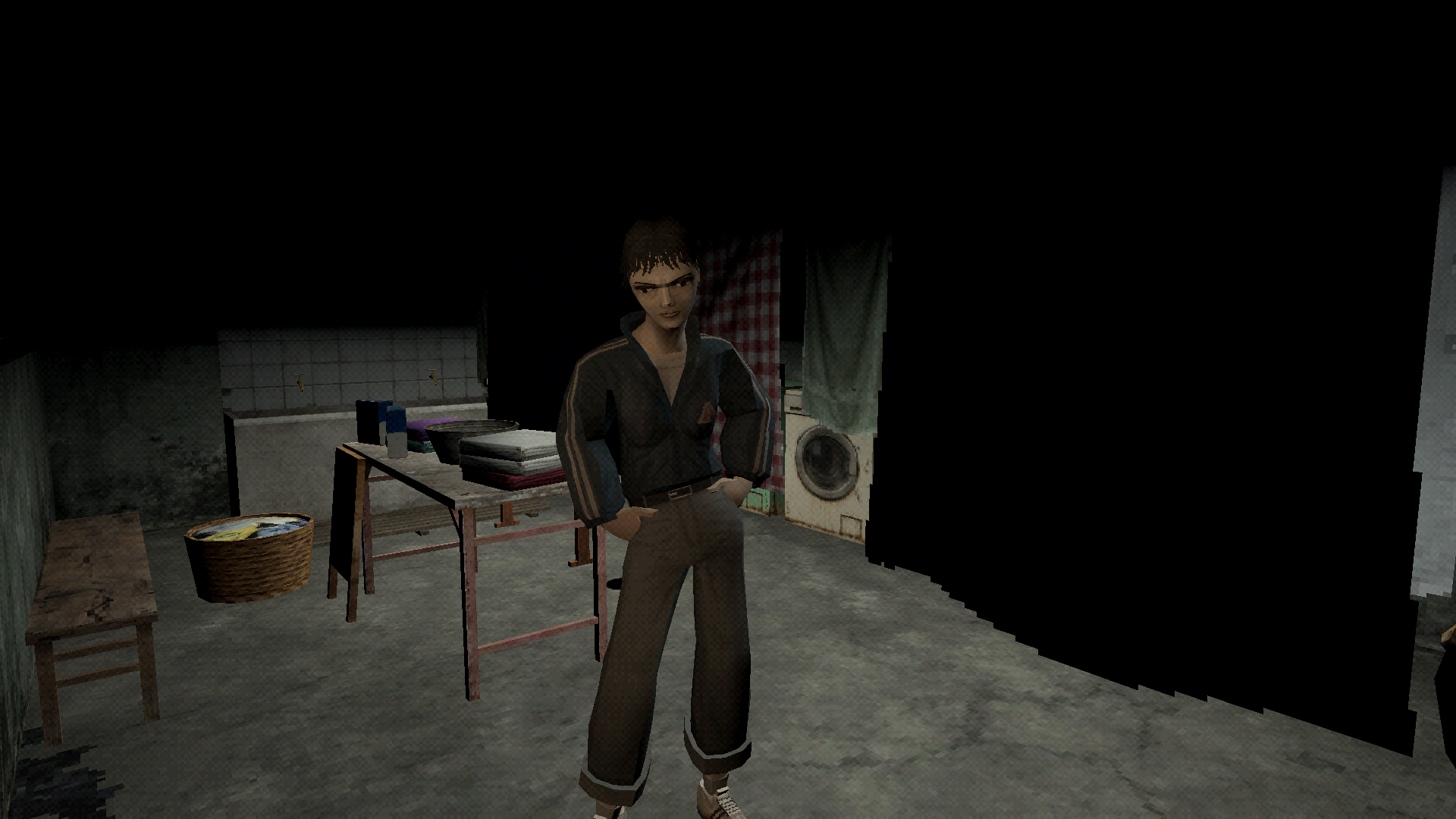
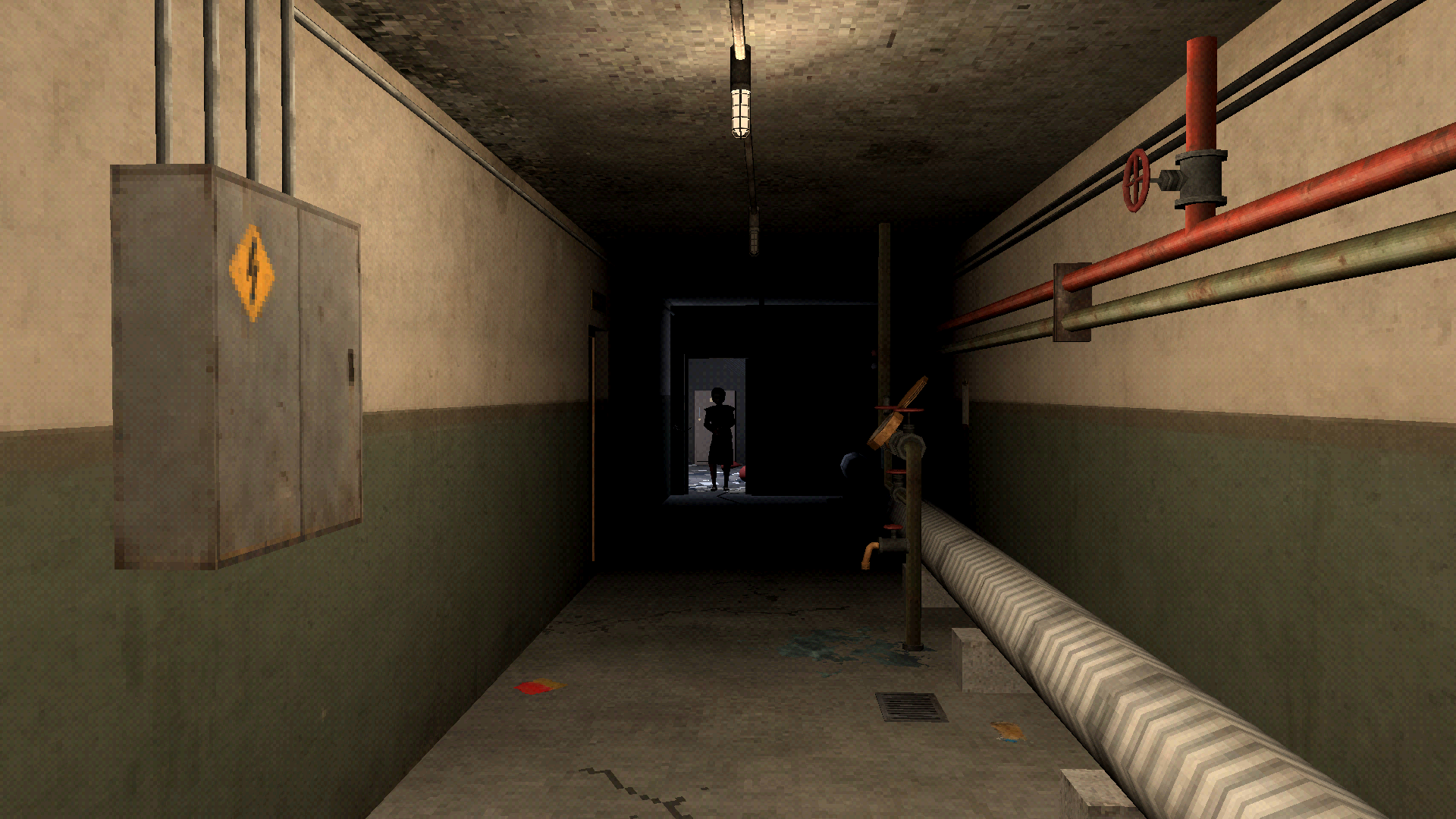
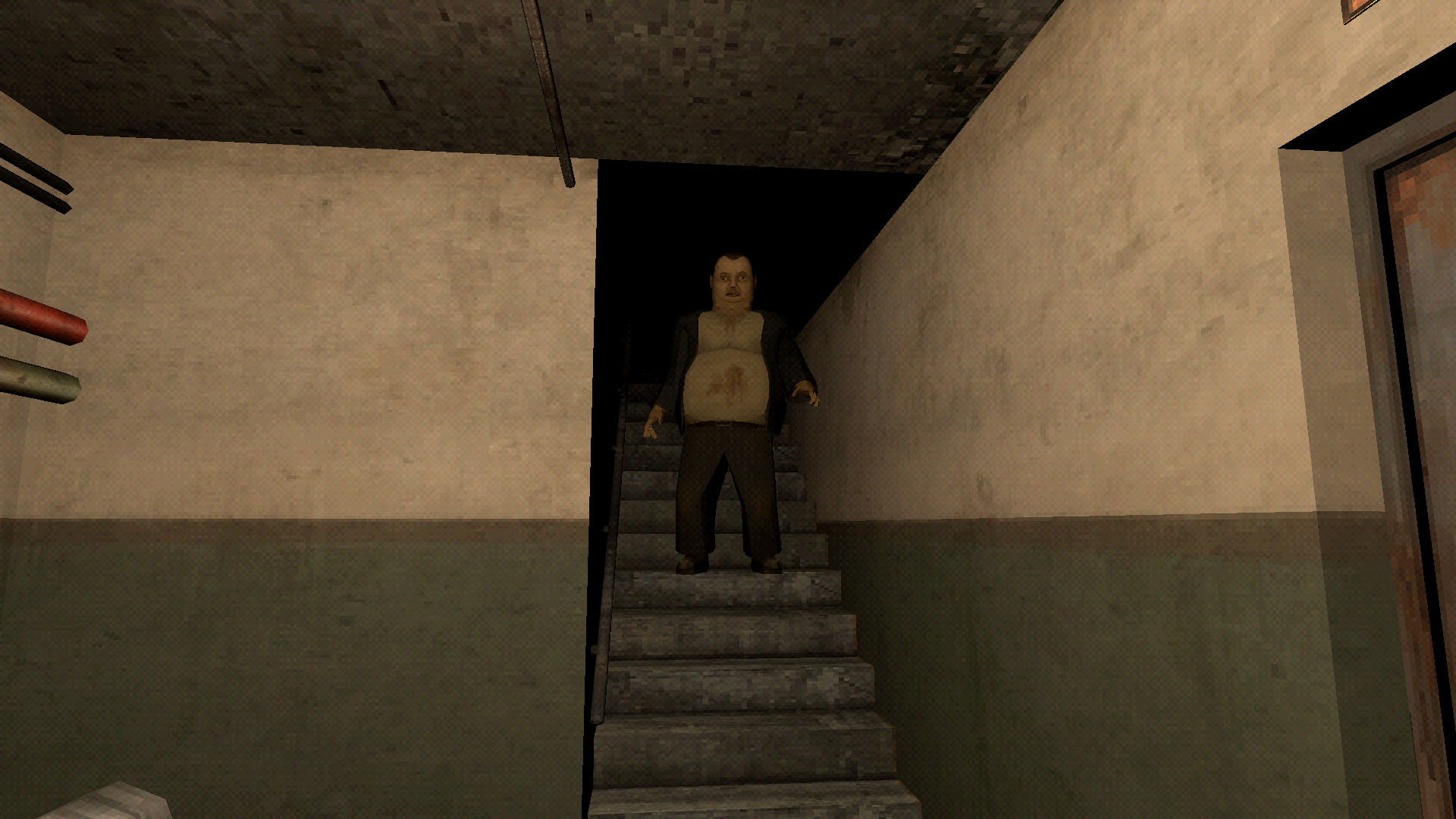
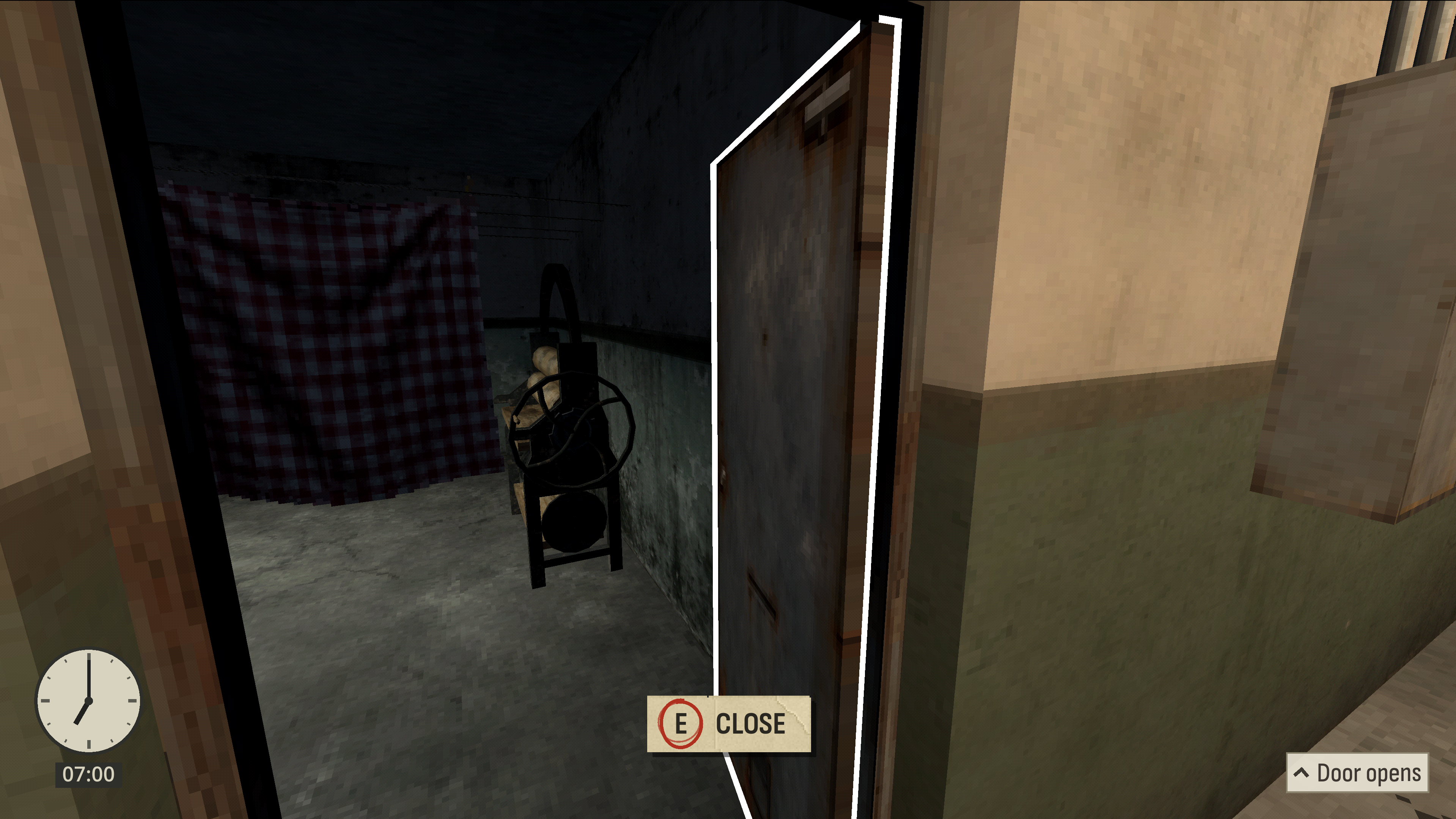
The story
1980. A city in the East that is not on any map you were given.
They found the archive of Habitation Block 17 burned down to its iron shelves, and the landlord in the ash with it. Three days later the Directorate sent you, with a ring of keys, a desk, a register gone black from cover to cover, and an order to fill it in again.
That is the job they wrote down. The other job they only said out loud.
Find out who killed him.
The tenants will open their doors to you. They will offer you tea and their papers and their account of that night, and every account will hold until you lean on it. The building keeps its own books, of water and heat and light, and it does not lie the way people do.
You have five days. Walking is free. Looking is free. Everything else costs time.
Learn their names. Learn where they sleep. Learn where each of them was when the fire took.
Then pick up the pen. What you write in that register becomes what is true. Who eats. Who keeps their rooms. Who goes in the truck before dawn. You can tell the state the truth, or you can tell it something kinder.
It will believe you either way.
How it plays
- One building, and nobody in it is quite where the paperwork says.
- Time moves only when you act. Knock, ask, search, and the clock takes its share.
- No glowing clues and no green ticks. Your answers are sealed four at a time, or not at all.
- What you know and what you report are two different documents. Only one of them leaves the building.